
For your role / Supply Chain Manager
Manufacturing ERP for Supply Chain Managers
Follow the material commitment end to end.
Evaluate the connection between demand, supplier dates, receiving, stock, and production readiness.
Request a demoA PRACTICAL EVALUATION
See the work from your side of the table.
Bring a real process your team knows well. Use synthetic or approved sample records, and walk through the decisions below with the people who own them.
Trace a critical component from planned demand to supplier commitment.
Introduce a late or rejected receipt and review alternatives.
Reconcile the material decision with the production and customer plan.
Make the handoff testable.
For each step, agree on the source record, responsible person, required approval, and next department. Then introduce a missing record, denied permission, or correction and see how the process recovers.
Evaluation guidance, not a claim of enabled capability. Availability, integrations, controls, and acceptance criteria must be confirmed for the exact release and customer scope. Industry references do not imply certification or regulatory approval.
PICTURE THE OPERATING EXPERIENCE
Your decision, with the work in view.
Trace a critical component from planned demand to supplier commitment. See how a sample record, its evidence, and the responsible team could come together.
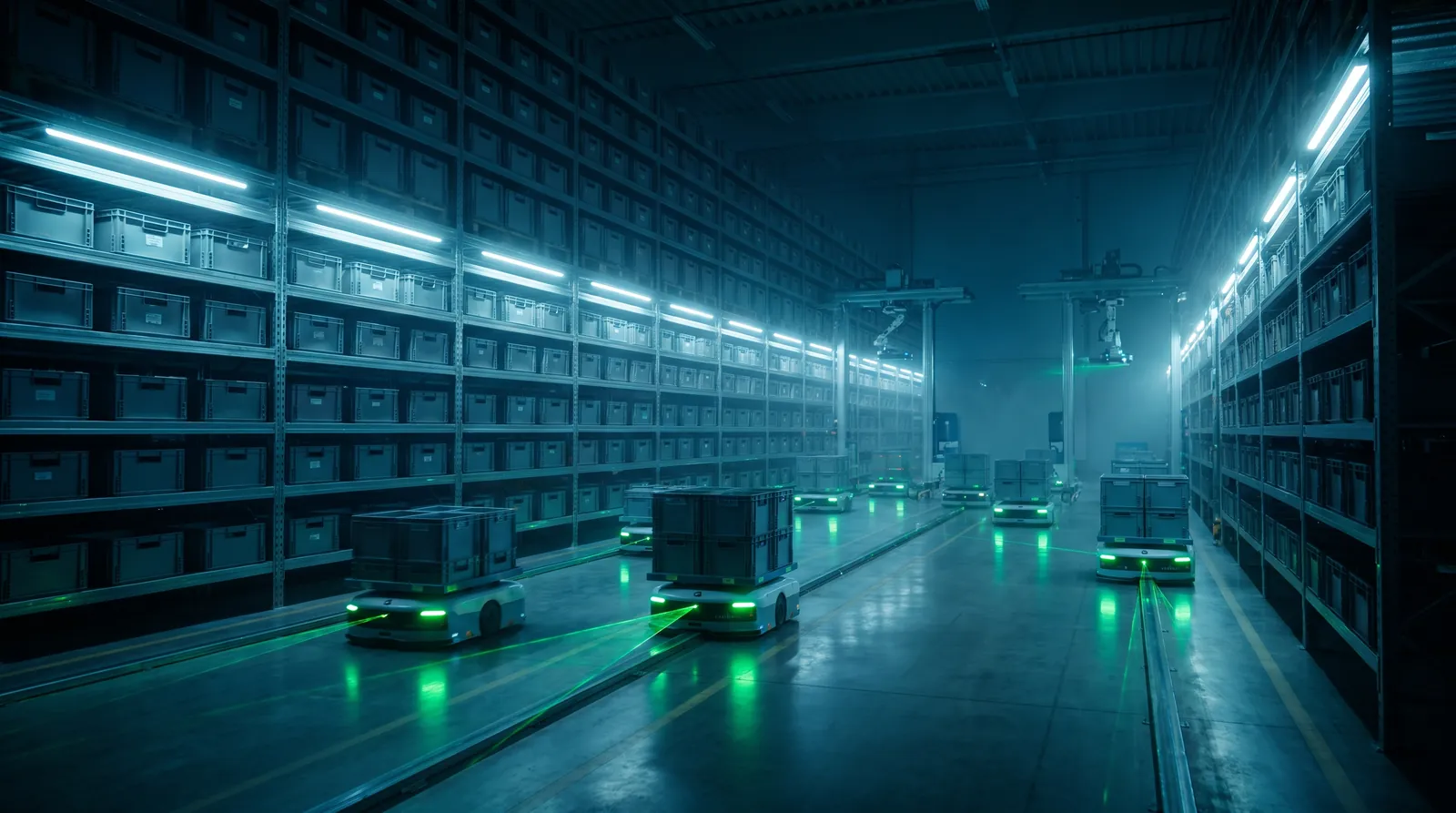
Material readiness, in context.
Every allocation has a source.
Match the material, its receipt, and the job that depends on it.
Purchasing → Receiving → PlanningConcept illustration, not a released interface. Functionality and controls are confirmed for the proposed customer scope.
Explore the next handoff.
Purchasing
Start with the material requirement, then evaluate the purchasing decisions and receiving handoffs around it.
Inventory
Evaluate material records from receipt and storage to reservation, consumption, and reconciliation.
Scheduling
Evaluate scheduling around your actual constraints: people, equipment, material, priorities, and promised dates.
AI-generated manufacturing illustrations, not customer facilities.
Continue in context.
Your next step
Build a demo around your operation.
Tell us how supply chain manager connects to the rest of your business. We’ll use that context to discuss the workflow and proposed scope.